

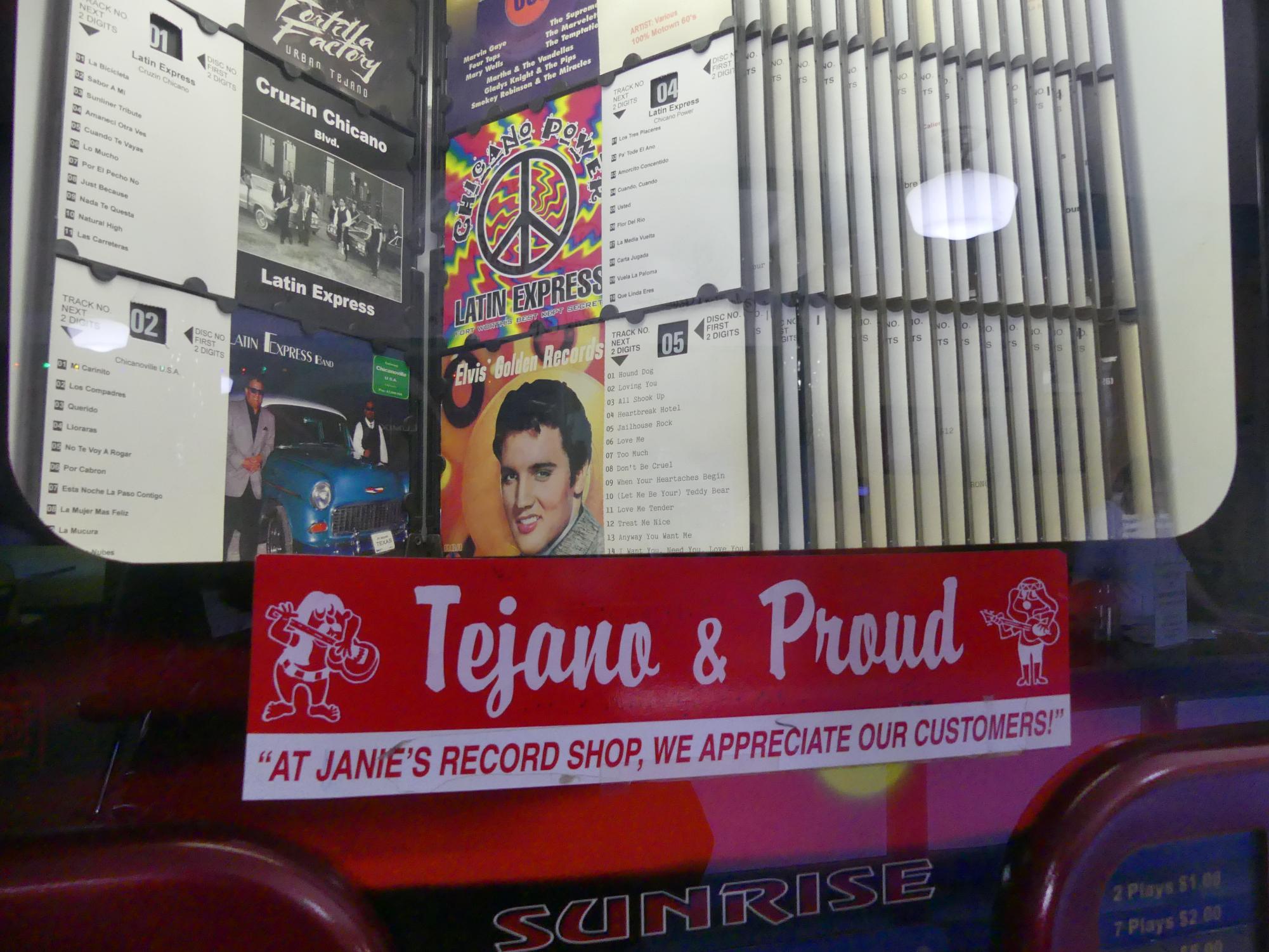
Austin’s culture is filled and intertwined with the city’s restaurants. Many of these cultural icons come from Austin’s local eatery scene. Austin’s culture, history, and evolution can be seen through its local restaurants. From decades-old family establishments to newer concepts designed around community gathering, these places help define what it’s like to dine in Austin, where tradition and change are always being balanced.
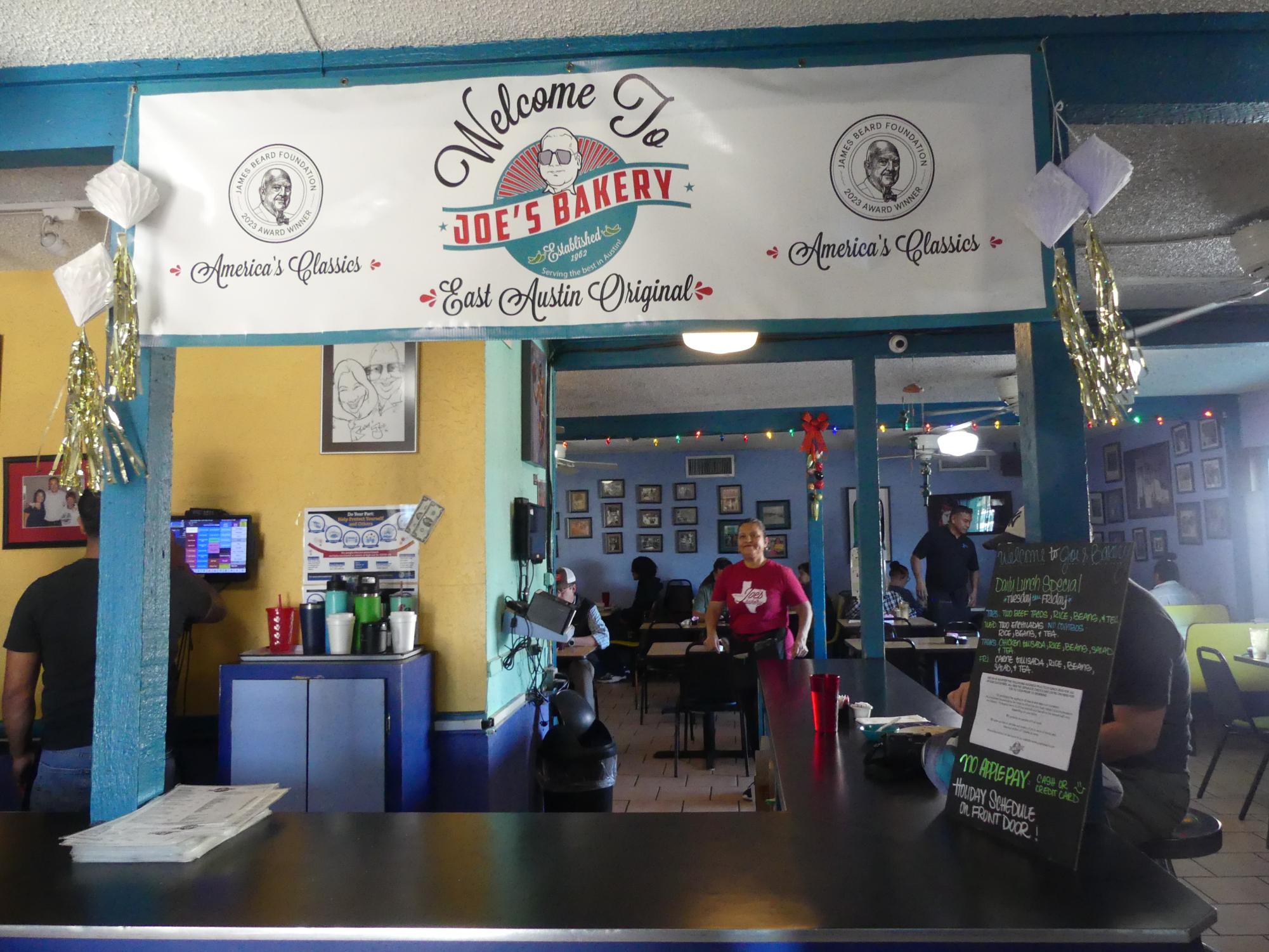
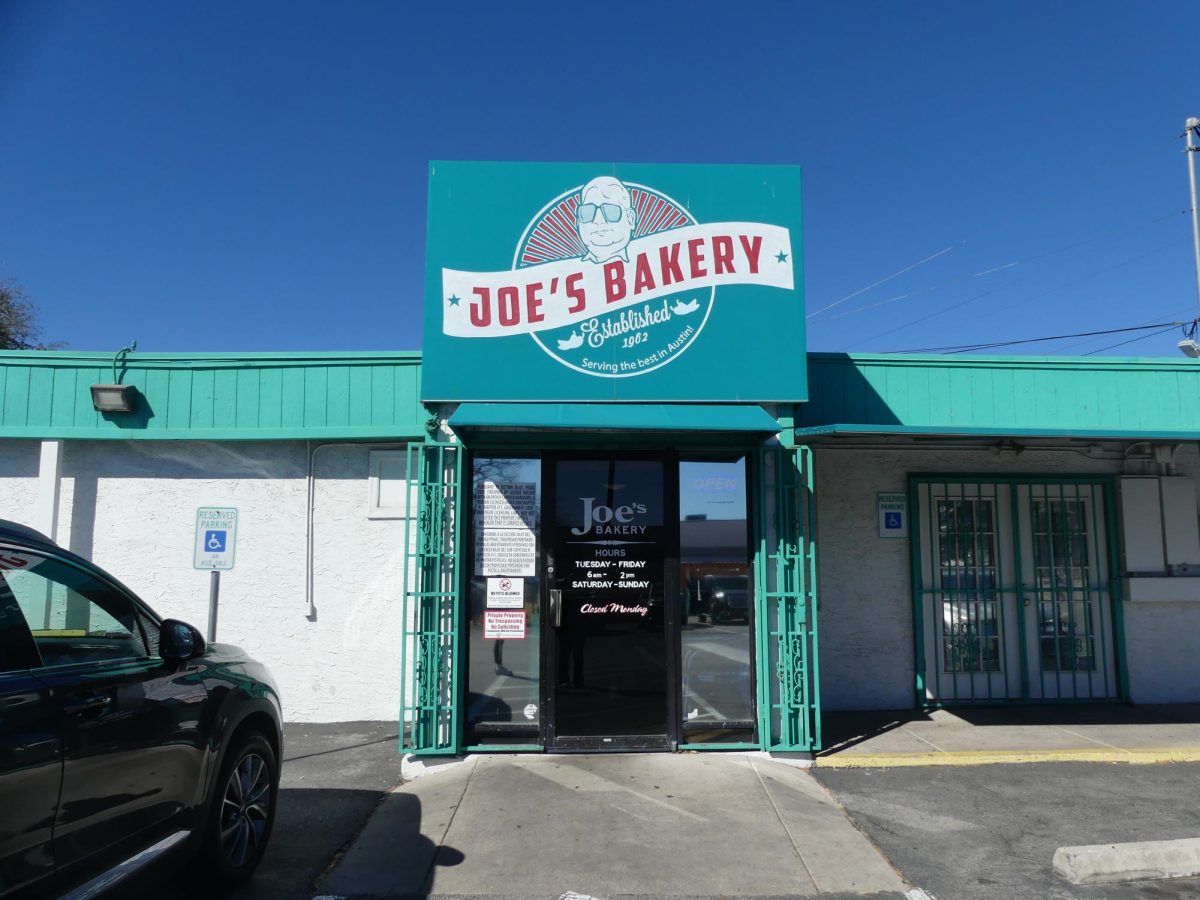
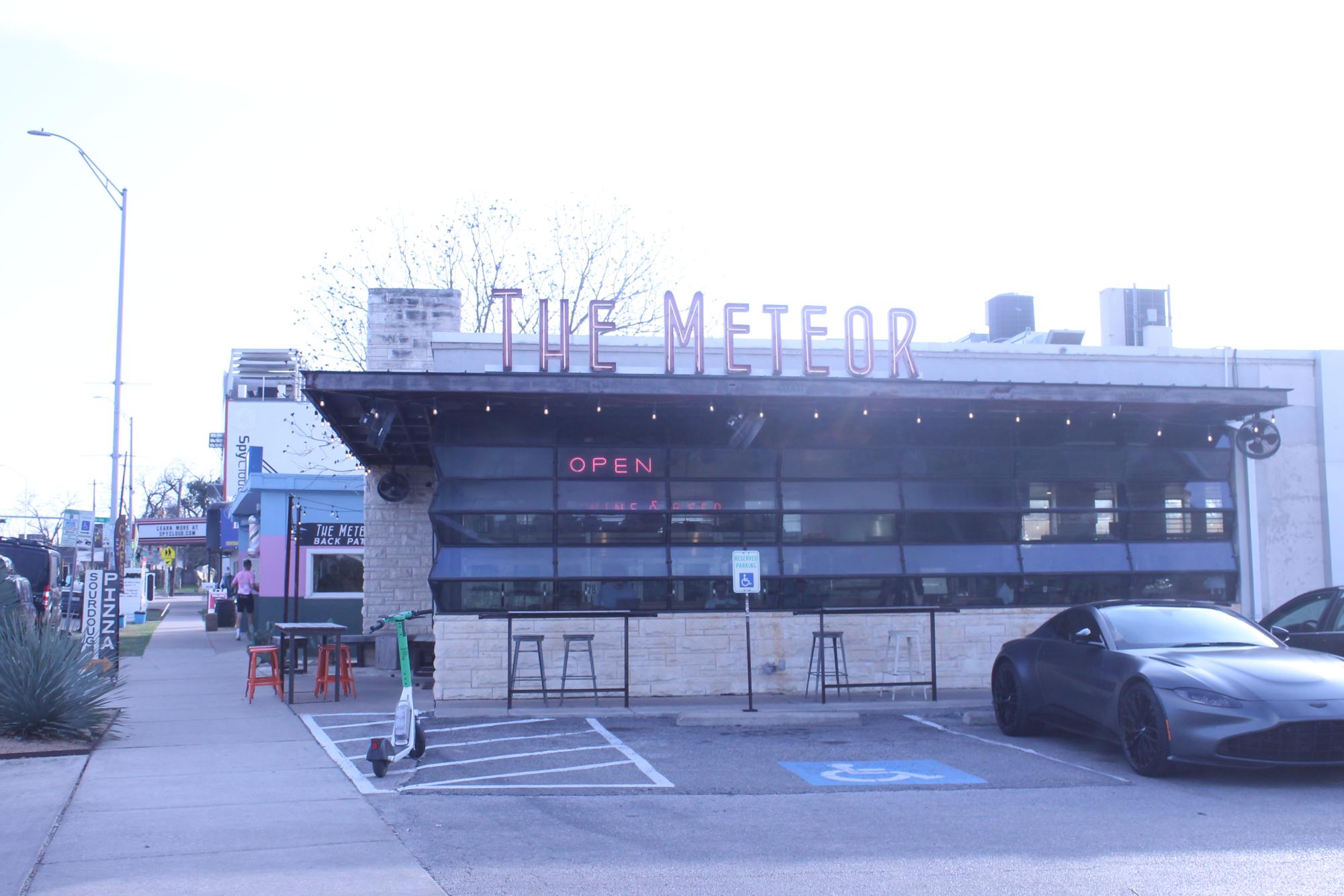
On East 7th Street in Austin, Joe’s Bakery and Coffee Shop has traditions that stretch back more than sixty years. Owner and general manager Regina Estrada described the dining establishments not just as a business but also as a generational legacy rooted in cultural pride. Over on South Congress Avenue, The Meteor, founded by Chris St.Peter and Doug Zell, who wanted to put all the things they love under one roof, represents a new chapter of the Austin restaurant scene as it ties innovation and community within one eatery. Together, all these restaurants represent the range of dining experiences that continue to shape Austin’s culture.
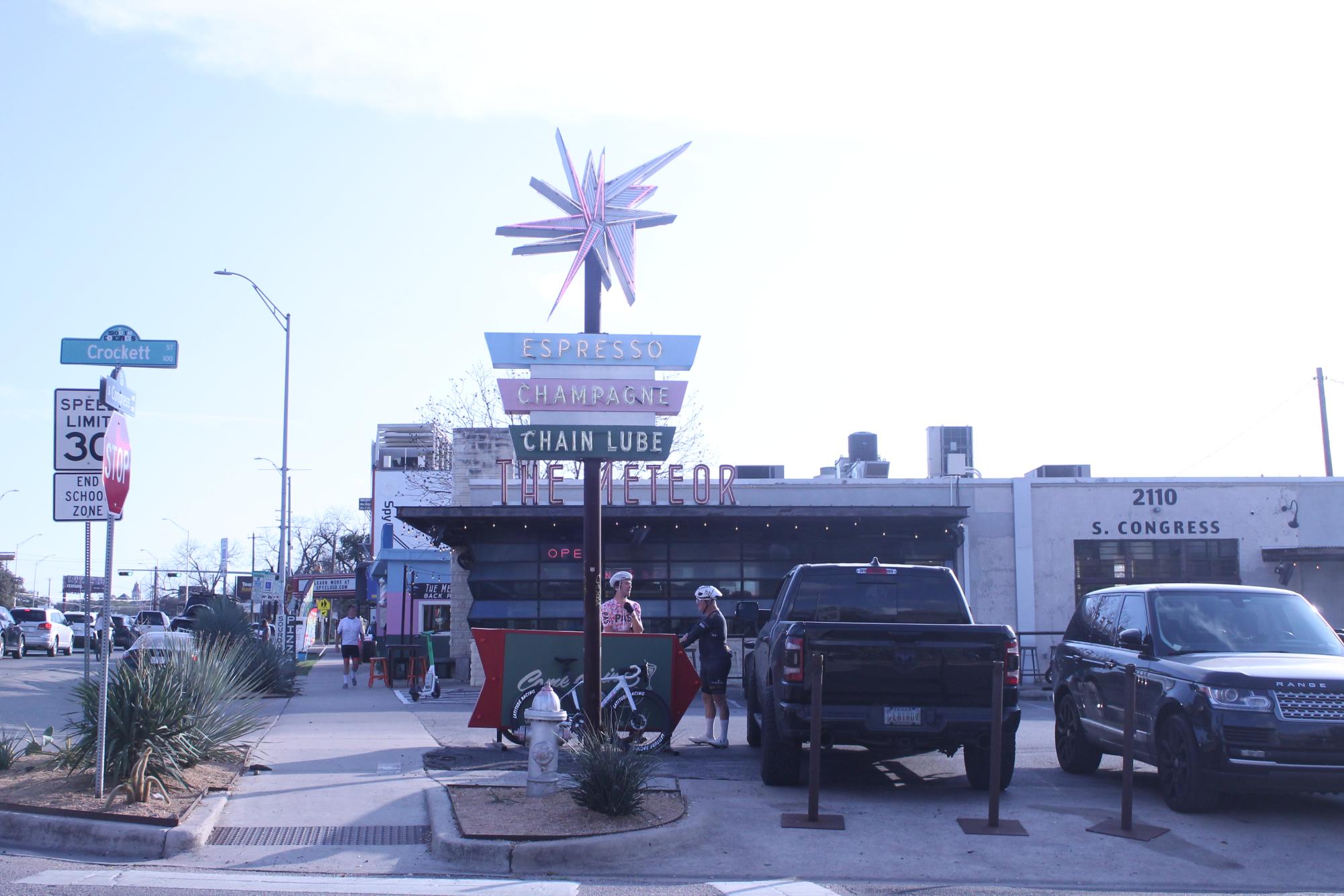
Despite their differing beginnings, these dining places reflect intentional visions that mirror the culture of Austin. One focuses on cultural legacy, another focuses on innovative community building. Estrada emphasized that protecting Joe’s bakery’s cultural identity is very important. Even as things change around the eatery, Joe’s maintains its original cultural aspects.
“Everybody always wants to change it. They always want to make it bigger and better,” Estrada said. “But bigger is not always better. Newer is not always better. And I think that’s one of the beauties of Joe’s Bakery.”
Estrada describes the diner as a form of cultural wealth. It’s rooted in Mexican American culture that cannot be copied.
“It’s a place of comfort. And I think it’s a place of community,” Estrada said. “And it just provides a really safe place.”
That sense of belonging and community is also very important at The Meteor. There is a different method of going about it at the Meteor, though.
“Community is the lifeblood of the business,” said St. Peter. “We want people to use it as their front porch in a lot of ways.”
The Meteor’s layout and counter service model are purposely designed to feel more informal and welcoming. Encouraging guests to stay and linger instead of rushing out the door. St. Peter also expressed wanting to ensure people feel welcomed. They want to make sure their industry doesn’t make anyone feel blocked out.
“Those three industries standing alone have a reputation for being pretentious and standoffish,” St. Peter said. “So we have to be very deliberate to be extra welcoming to everyone.”
These owners describe their restaurants as being places where relationships are created. Whether through decades of regulars or visitors discovering a new space for the first time. Running an eatery requires constant problem solving, something these owners know very well.
“Running a business and owning a business is all about problem solving,” said St. Peter. “There’s always a challenge that pops up when you least expect it.”
For the Meteor, one of its largest problems was dealing with COVID-19. Joe’s Bakery faces different types of issues, trying to stick to their roots in a city where things are always changing, and many restaurants are shutting down.
“My main priority is what is happening at 2305 East 7th Street,” Estrada said. “I work really, really hard and I dedicate a lot of my time on our little island, our little oasis on East 7th Street, you know, making sure that I am providing a safe environment, not only for my employees, but for my customers.”
As Austin continues to grow, these owners both see the changing restaurant scene. Estrada describes seeing the city cherish its originality but struggle to protect it.
“Austin loves to celebrate being original, all the uniqueness of Austin, what it is to be in Austin,” Estrada said. “But what they don’t do a really good job of is sustaining it, you know, really do a good job of protecting it.”
St. Peter has seen both improvements and losses in the changes. He describes many restaurants closing, but things are still positively changing.
“Some of the classics, some of the, you know, icons have unfortunately had to close up shop,” St. Peter said. “But all in all, I have to think things are progressing in the right way. I have no choice but to be optimistic about it.”
These eatery owners describe their greatest pride coming from the communities that form inside their restaurants. The spaces they’ve created and maintained bring about more than just food to the people they serve.
“Seeing the community is really rewarding,” St. Peter said. “To see people enjoy the space and enjoy our offerings and enjoy each other at the Meteor.”
Estrada described the eating place as a place that represents sacrifice and family. It holds perseverance through many generations in her family and in its community.
“Joe’s Bakery is really about me celebrating and honoring their work and all that they put in,” Estrada said. “And that is my goal, just to maintain and to honor their hard work.”
The local restaurants around Austin may look very different, but they remain central to the Austin identity and communities. Joe’s Bakery sustains its legacy, and The Meteor builds new connections; both represent the same truth about Austin. The city’s restaurants are bigger than just businesses; they are where culture is kept, community is created, and the evolving story of Austin is told.
Do you support student journalists? Want to help the LASA community? There is no better way to show your appreciation for what we do at the LASA Liberator than to donate! You will also be thanked for your sponsorship in our newspaper.