
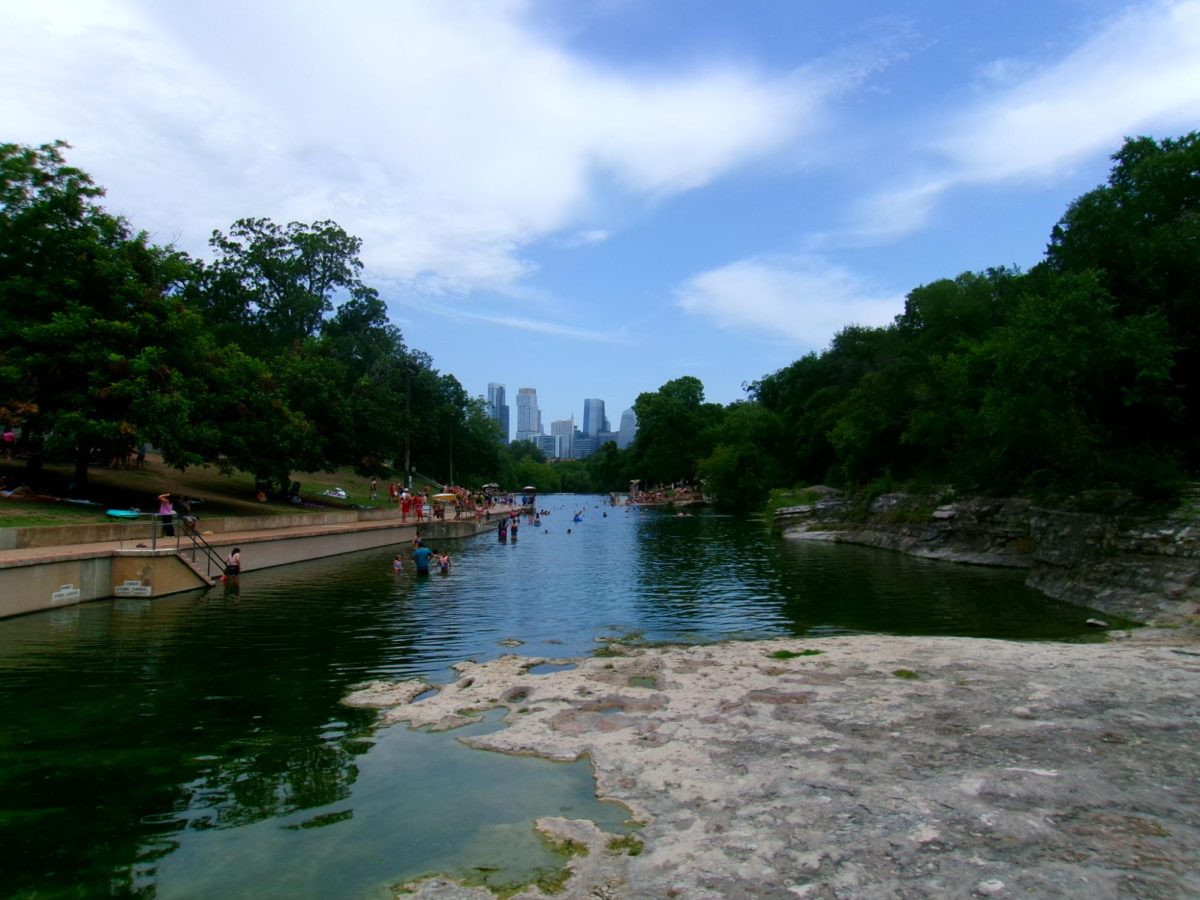
Natural pools are central to summer recreation, and since the Austin area is home to many, they bring in visitors from all over Texas. Popular spots like Barton Springs Pool, McKinney Falls State Park, and Blue Hole Regional Park have historical and environmental importance in the area because, unlike chlorinated swimming pools, natural pools are upkept using natural environmental features like plants and microbes. Brian McGowan, a lifeguard at Barton Springs, described the most important differences between the types of pools.
“ [Natural Pools] are usually a lot nicer and cleaner, and the water is colder, which is great,” McGowan said. “My main thing is that it’s a lot colder, and it’s super nice when you get in the water versus a neighborhood pool when it’s all gross and soupy and chlorinated.”
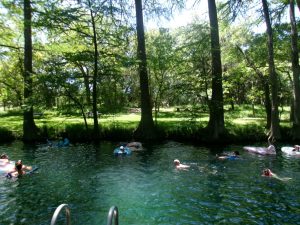
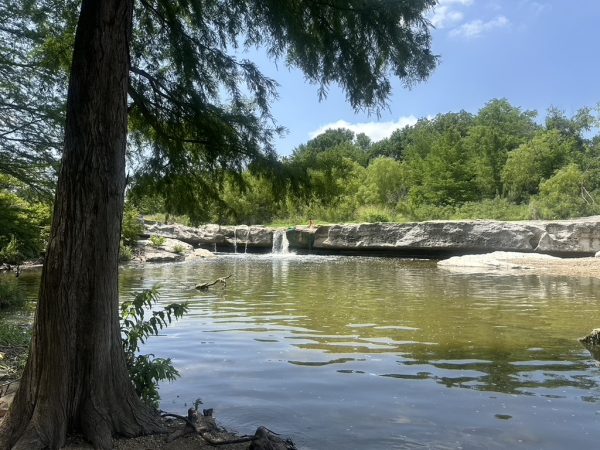
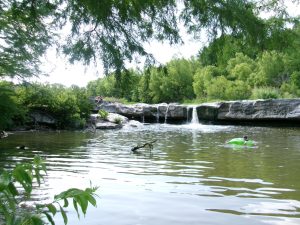
McKinney Falls State park is the home of another natural pool; it has water elements throughout the park with a central swimming area with a waterfall. Lina Morris, a senior at LASA who visited McKinney Falls at the beginning of the summer in 2025 and has swam at different spots around Austin, explained that she enjoyed swimming in the natural pool at McKinney Falls State Park.
“My favorite part was swimming in the water from the falls,” Morris said. “It was quite refreshing, and watching the waterfalls rush powerfully into the water.”
Maintaining these pools requires year-round maintenance. Richard Shaver, the director of parks and recreation for Wimberly since 2017, where Blue Hole is, explained that Blue Hole has an off-season to allow the pool to recover.
“We’re only open May through September,” Shaver said. ”We do that for the entire offseason. The swimming area, the riparian area, the creek, all of our natural spaces, have some time to rest and recover.”
Barton remains open throughout the entire year, but it closes at certain times for maintenance. There are many different cleaning procedures at Barton Springs, like wiping the railings, scooping gunk out of the pool, and cleaning the bathrooms. McGowan described part of the process to maintain the pool.
“Barton Springs is a natural pool and we can’t use pesticides or chemicals or anything in the water because it’s a protected wildlife habitat,” McGowan said. “So really our thing is just you know scrubbing what we can, getting the algae off what we can.”
Shaver explained that another large impact these pools create is community. Morris explained how McKinney Falls creates a space of conservation and community.
“I do think McKinney Falls is important,” Morris said. The park protects nature and gives people a place to enjoy the outdoors right in Austin.”
Since Blue Hole is a spot not too far out of Austin in Wimberly, about 35 miles, it is a popular place where people connect with nature. Shaver
described how Blue Hole connects people with nature and community by holding many events throughout the year.
“From the time that I’ve been here, that’s been my main goal is to build community,” Shaver said. “And have a space where people can go outside and just get away from their daily lives.”
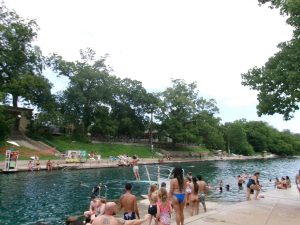
McGowan described Barton Springs as playing a central role in Austin life. The pool is near downtown Austin in Zilker Park, making it a popular destination in Austin.
“Barton has a really big impact on the community,” McGowan said. “It’s part of what makes the Austin community so vibrant because it’s really where I see a lot of people coming together.”
Together, these natural pools provide a unique space to balance recreation, conservation, and community for the people who work at and visit them. Their continuous maintenance and popularity show how these natural pools have a central role in Austin’s identity.