

A potential agreement between the University of Texas at Austin (UT) and the Trump administration has sparked concern among alumni, students, and community members who say the deal threatens academic independence. The compact has ignited debate about political influence and free expression on campus.
The proposal, known as the Compact for Academic Excellence, offers financial incentives in exchange for adopting restrictive policies that critics say could reshape classroom content, limit international enrollment, and impose political oversight on higher education. Several UT professors declined to comment due to fear for their positions.
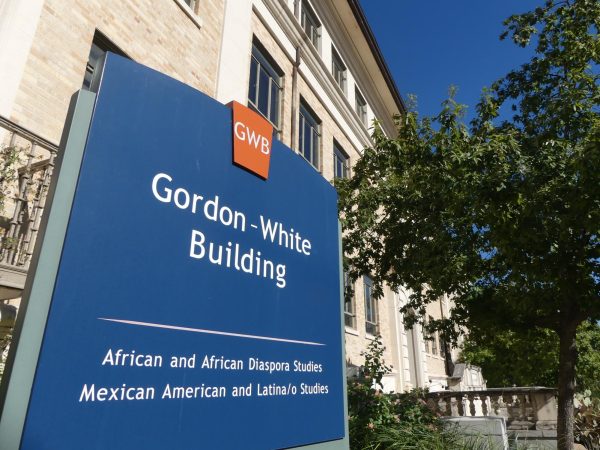
UT alumnus Nevin Kamath, who has been active in advocacy efforts like the protest movement Stand for Campus Freedom, stated that the compact represents an unacceptable political intrusion into campus life.
“Don’t sign the compact, because Trump’s not somebody you want to do business with,” Kamath said.
Kamath explained that the controversy extends beyond financial considerations, emphasizing what he views as ideological coercion from the federal government. He believes the compact functions as a tool to pressure universities into adopting specific political positions, particularly regarding speech and academic content.
“I think it’s imposing an ideological litmus test on the entire higher education ecosystem by Trump and his corrupt, incompetent, and vengeful cabal,” Kamath said. “I think the money is the coercive instrument that is being used to bait or threaten UT into compliance.”
After UT neglected to address the compact through its Nov. 21 deadline, Trump extended the offer. Other alumni have expressed deep frustration that UT did not immediately reject the offer. Former Travis County Commissioner and longtime UT supporter Karen Sonleitner outlined that the proposal contradicts the values of free inquiry and open debate that shaped her experience at the university.
“This is striking at the core of why I wound up going to the University of Texas at Austin,” Sonleitner said. “It just cuts to the core related to free speech on campus.”
Sonleitner said she was disappointed that UT continues to consider the compact rather than refusing it outright, and she warned that approval would have lasting consequences. She explained that has already prepared to remove UT from her will if the university agrees to the terms.
“I passed along the message that if you all sign this compact, I am taking out UT’s money, and I’m not putting it back,” Sonleitner said. “It’s not an idle threat, because as a trained journalist who got my degree, I actually think this will cheapen the university.”
Concerns are also growing among prospective students. LASA sophomore Silas Croft, who plans to apply to UT, said the compact’s speech-related provisions could shift the university’s culture for incoming students. He supports broad free expression and worries the deal could push UT away from open dialogue.
“I honestly think the best way to do it is to have open, free speech, where you can say whatever you want,” Croft said. “There should be a healthy middle ground where people from either side can say what they want to say.”
With alumni reconsidering donations, professors reluctant to speak publicly, and students questioning the university’s direction, UT’s decision carries wide ranging implications. Many alumni fear that approving the compact could damage UT’s reputation and drive potential students and faculty toward other institutions.
“If they say yes, people will just go elsewhere,” Sonleitner said. “We will lose out on really incredible people.”